Schengen Visa or National Visa? Which German Visa You Need (Pakistan 2026)
2 min read · 4 steps · Updated 1 October 2026
Many applicants from Pakistan choose the wrong German visa and lose months. The difference between the Schengen (C) visa and the national (D) visa, what each costs in 2026 (€90 / €75), how to apply, the fast-track procedure for skilled workers (€411), and the mistakes that get applications refused.
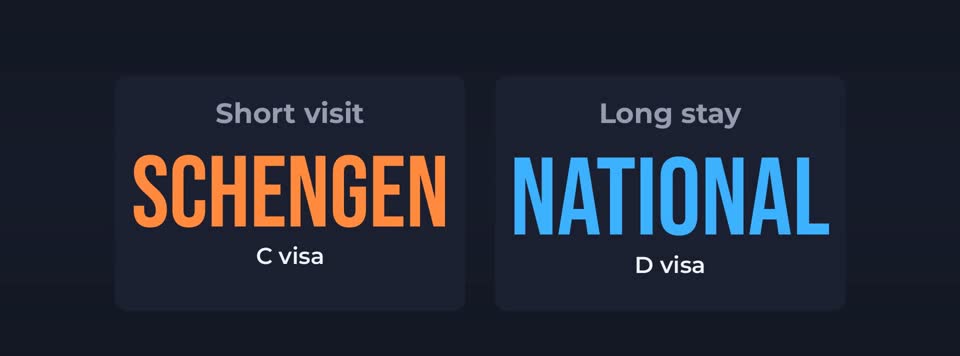
Many people from Pakistan apply for the wrong German visa, lose months, and pay twice. So which one do you actually need, a Schengen visa or a national visa?
Today: the difference, what each one costs, and the mistakes that get applications refused.
Step by step

The Schengen visa
This is a short stay visa, also called a C visa. It's for tourism, business trips, or visiting family. It lets you stay up to 90 days in any 180 day period, in the whole Schengen area, not just Germany. The fee is 90 euros for adults.
But it has limits. You can't work in Germany on it. And you usually can't switch it into a long term residence permit from inside Germany. So if your plan is to study, work or move, a Schengen visa is the wrong door.

The national visa
This is the D visa, for stays longer than 90 days. Study, work, the Blue Card, the Opportunity Card, vocational training, or joining your family. The fee is 75 euros for adults.
It usually lets you enter Germany for a few months. Then, after you arrive, you register your address and apply for a residence permit at the local foreigners' office.
How do you apply?
For a Schengen visa, you usually apply through an external service centre. For national visas, Germany now uses an online Consular Services Portal for many visa types, where you upload your documents and then book an appointment.
And plan early. National visas can take weeks, or even months, especially in busy seasons.
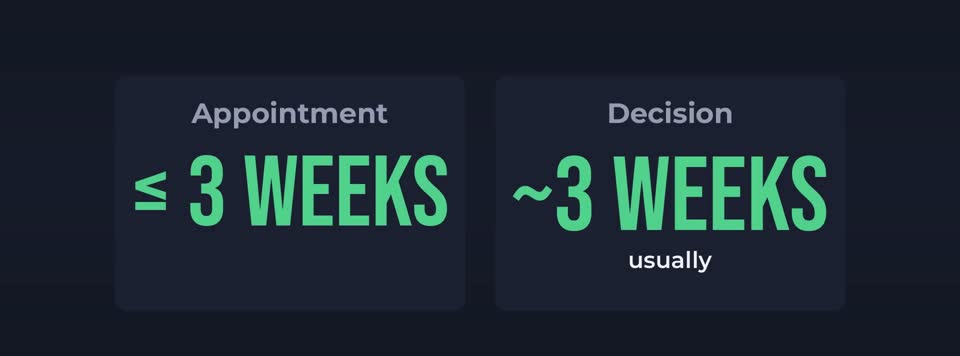
If you have a job offer, there's a faster route
It's called the fast track procedure for skilled workers. Your employer starts it at the foreigners' office in Germany, and pays a fee of 411 euros. After approval, the embassy should give you an appointment within three weeks, and usually decides within three more weeks.
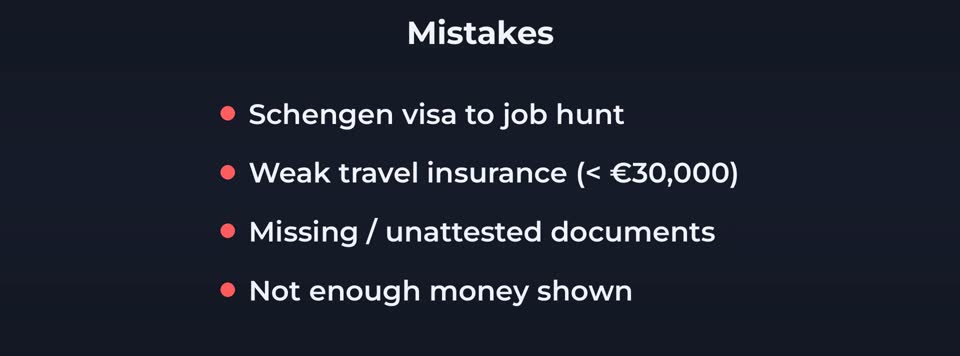
The common mistakes
One: applying for a Schengen visa to look for a job. If you want to job hunt, look at the Opportunity Card instead. Two: weak travel insurance. For a Schengen visa, it must cover at least 30,000 euros. Three: missing or unattested documents. Four: not showing enough money, like a blocked account for students.
Good to know
And always check the official website of the German embassy in Islamabad, or the consulate in Karachi, for your exact visa type. Requirements can change.
In short: Short visit: Schengen visa. Long stay: national visa. Choose the right one first, and you'll save time and money.
- German Federal Foreign Office (auswaertiges-amt.de)
- German missions in Pakistan (pakistan.diplo.de)
- EU Visa Code
- Residence Act sections 6 and 81a, how-to-germany.com (fees 2026)
- Make it in Germany
Rules and prices change. Check the official source before you act.